Explore Center reports, maps and tools addressing reproductive rights laws and issues.
Top Story
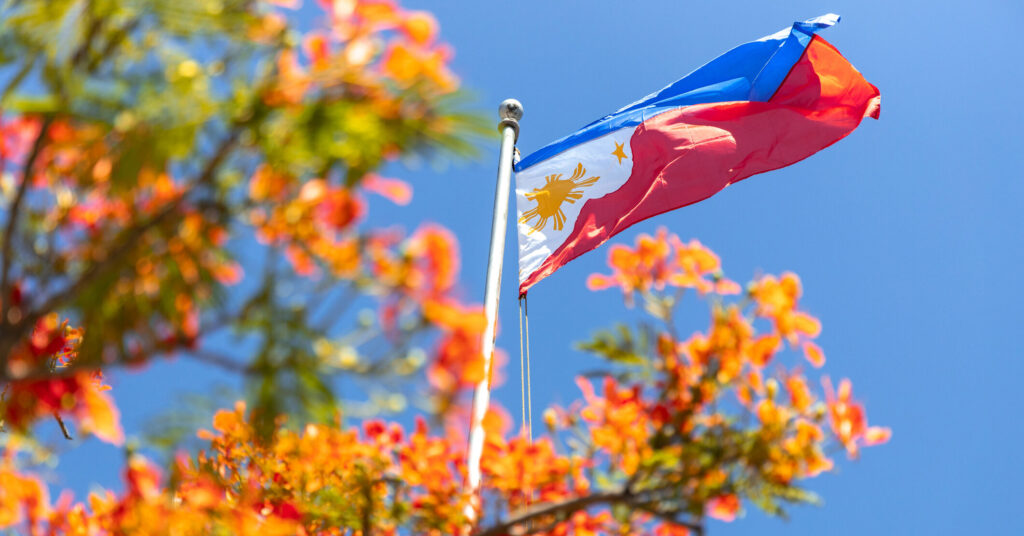
Advocating for Abortion Reform in the Philippines
New brief by the Center and its partner outlines the impact of the country’s restrictive abortion laws and recommends legalization and decriminalization.
Featured Stories
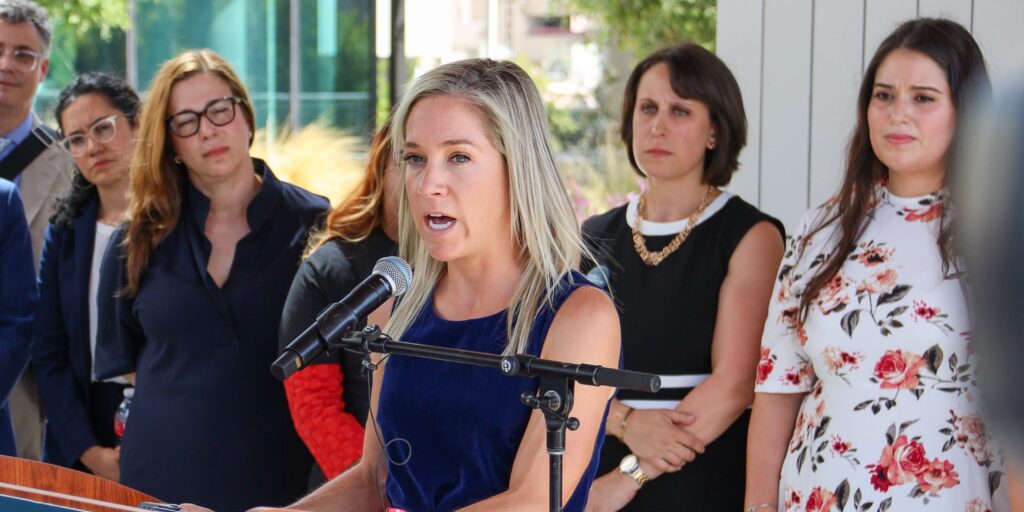
Center clients speak out about how they were denied essential abortion care—even though their health, lives and future fertility were at risk.

"Know Your State’s Abortion Laws" guides outline conduct permitted by medical professionals in 12 states where medical providers face the greatest confusion and threat of prosecution.
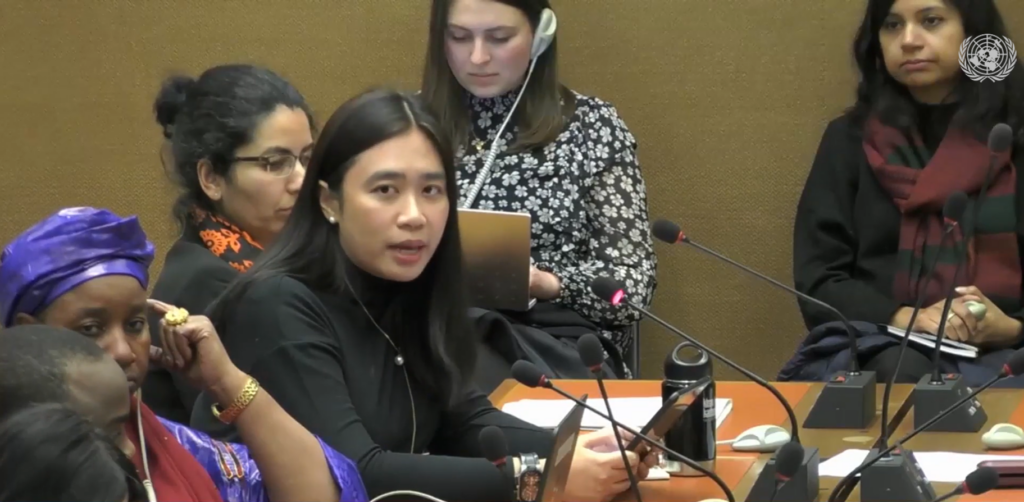
Advocacy included a joint submission and presentation highlighting the country’s restrictive abortion laws and barriers to access.
Read more featured stories.
More Highlights
“My State’s Cruel Abortion Laws Made Pregnancy Terrifying”
For Mother’s Day, a Center plaintiff reflects on her horrific experience in Tennessee. Read more.
__________
Medical Exceptions to State Abortion Bans
Explore the Center’s cases representing dozens of women denied abortion care despite dangerous pregnancy complications. Learn more.
__________
HHS Finalizes Rule to Support Reproductive Health Care Privacy

Rule clarifies federal privacy protections for reproductive health information under HIPAA. Read more.
__________
Teenage Pregnancy in Africa—Status, Progress and Challenges (ACERWC Report)
A detailed assessment with key recommendations. Learn more.
__________

News Alerts
Read more news alerts.
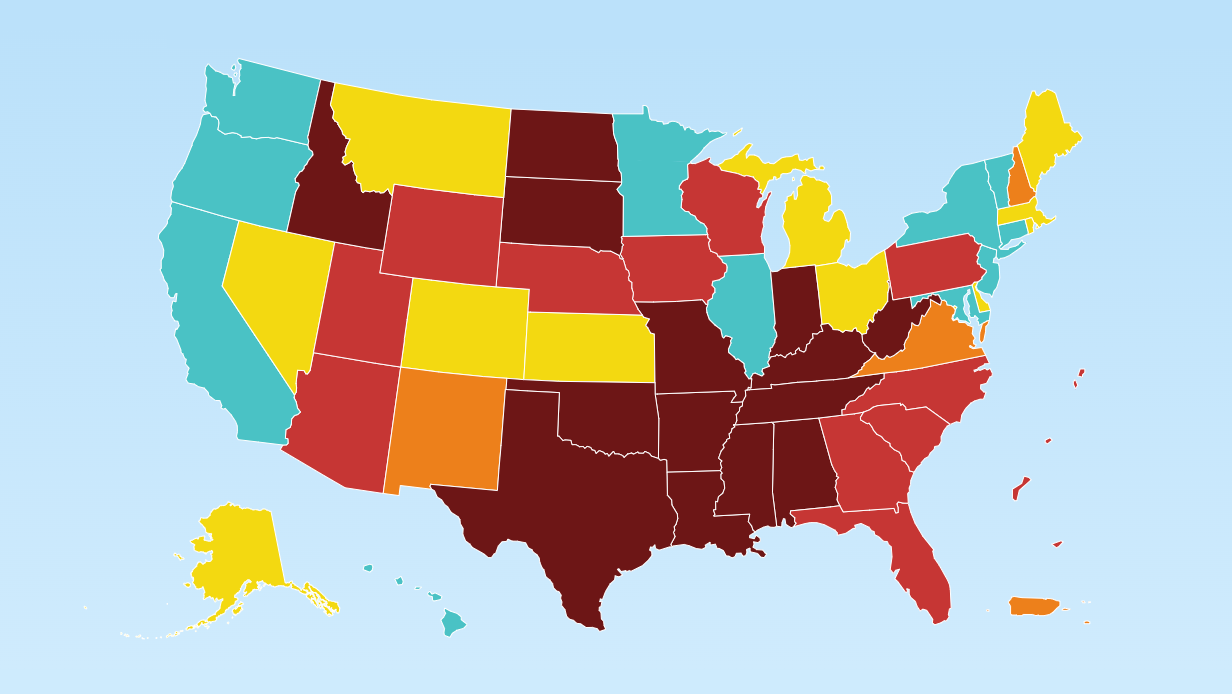
Where is abortion now illegal in the U.S.?
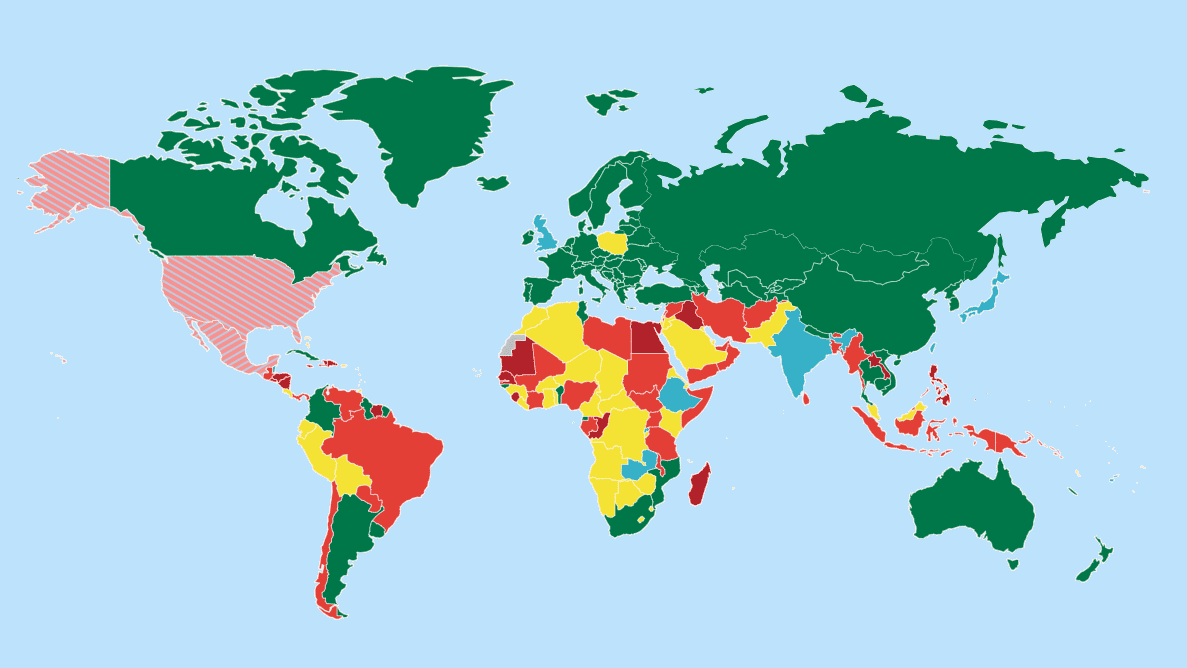
Interactive map that analyzes abortion laws and policies in countries across the globe.
Resources