
Ballot Measures Drive Wins for Reproductive Freedom
- Story
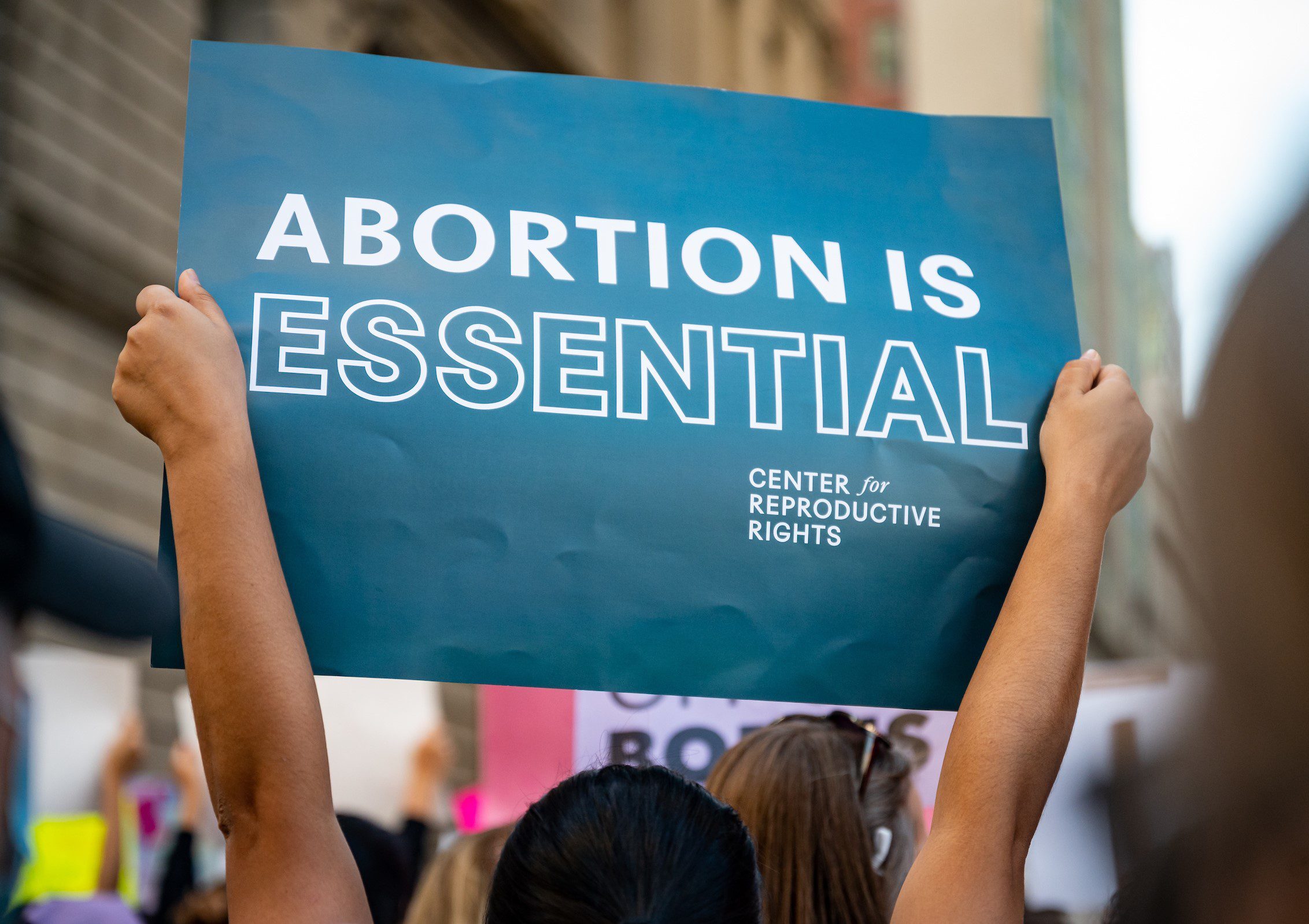
Voters in three states protected abortion and reproductive freedom this election day.
On November 3, residents of Missouri, Nevada, and Virginia voted on ballot measures that will shape the future of abortion rights in their states. The measures will amend state constitutions and laws to enshrine abortion protections in Nevada and Virginia as well as prevent a rollback of rights in Missouri.
Nevada and Virginia move to protect abortion—while Missouri staves off new attempt to ban.
The ballot measures will protect reproductive freedom in these states:
State ballot measures- Nevada’s Question 6 will establish a fundamental right to abortion under the state constitution. Voters approved the amendment in 2024, but the measure has to be approved twice in order to be adopted. This is the second and final vote on this measure.
- Virginia’s Question 1 will amend the Virginia Constitution to establish reproductive freedom as a fundamental right, including abortion, contraception, and fertility and maternal health care.
- Missouri’s Amendment 3 would have prohibited abortion with extremely limited exceptions. This comes after Missourians overwhelmingly voted to protect abortion in 2024. The voters rejected this measure.
Protective ballot measures like these have played an essential role in court battles challenging harmful abortion restrictions in the past. In Arizona and Michigan, the Center for Reproductive Rights has used voter-approved constitutional amendments to strike down harmful policies such as mandatory waiting periods or bans on telemedicine. At the same time, anti-abortion politicians in some states have ignored the demands of voters, with legal fights over now-unconstitutional restrictions continuing to rage.
States have become key battlegrounds for abortion rights since the 2022 overturn of Roe v. Wade, which took away the federal constitutional right to abortion. Over the past four years, twelve states have enshrined the right to abortion into their constitutions, while residents in others have rejected efforts to remove existing state constitutional protections.
It has long been clear that the majority of Americans support abortion rights. But the fall of Roe has left a chaotic patchwork of laws and emboldened anti-abortion politicians to escalate their attacks.
Daria Neal, CRR Senior Director of U.S. Policy & Advocacy
As attacks on access escalate, state abortion protections are crucial
The overturn of Roe v. Wade was a victory for the anti-abortion movement, emboldening extremists in their quest to cut abortion access off entirely. Many states, including Idaho, already had trigger bans in place—abortion bans that could quickly go into effect with Roe out of the way.
Anti-abortion extremists have also ramped up their efforts to restrict abortion access at the federal level. This includes attacks on medication abortion, which has served as a lifeline for millions since Roe’s overturn and today accounts for more than 60% of abortions nationwide.
“The reality is that women and families have been suffering under abortion bans. We hear stories every day of people going septic or being forced to remain pregnant only to give birth to stillborn babies,” says Daria Neal, Senior Director of U.S. Policy & Advocacy for the Center Reproductive Rights. “They are proof that abortion is essential, life-saving health care—and voters know it. Americans deserve to have control over their own bodies and lives instead of being undermined by politicians. Our voices matter.”
Through both legal action and legislative advocacy, the Center remains committed to the fight for abortion rights. Join us today.

Abortion rights in your state
Find out whether your state loves you… or loves you not. Knowing your state’s abortion laws is the first step toward protecting yourself and advocating for change. Get the facts today.Fuel the Fight for Reproductive Rights
Your donation allows us to defend reproductive rights, change policies, and amplify voices around the globe.