
Advancing Reproductive Rights Through Work with African Human Rights Bodies
- Story
The Center for Reproductive Rights works with African human rights bodies to advance reproductive rights.
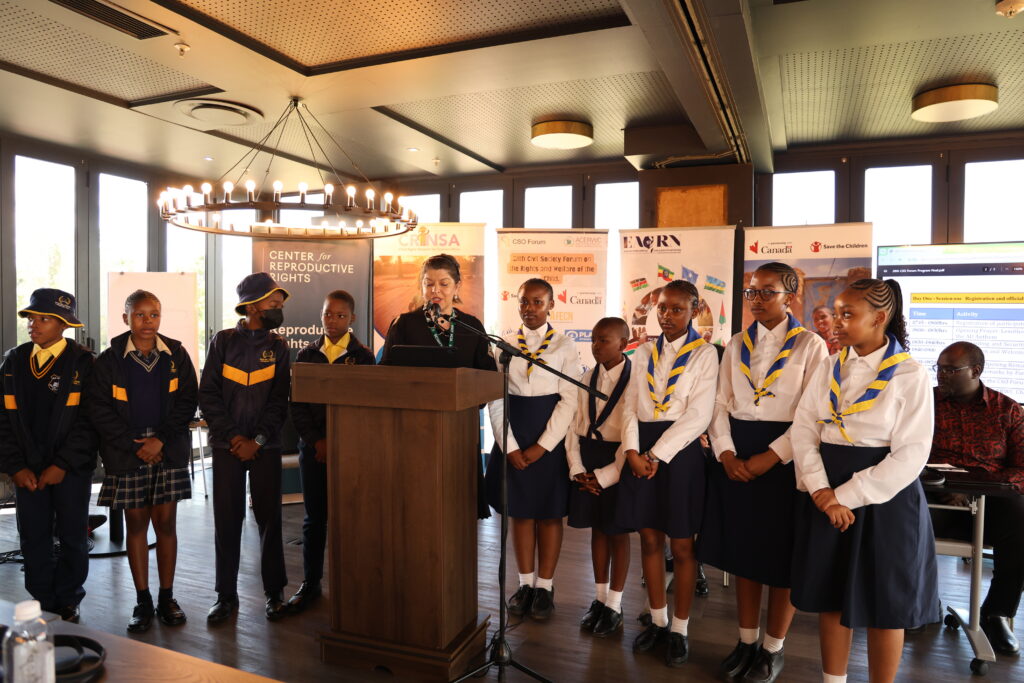
Advocating for Adolescent Rights at the African Committee of Experts on the Rights and Welfare of the Child (ACERWC)
About the Committee
Many adolescents across Africa do not have access to sexual and reproductive health information and services. Laws, policies, and systems in place for adolescents often do not meet their needs. At the 47th Ordinary Session of the African Committee of Experts on the Rights and Welfare of the Child (ACERWC) in Maseru, Lesotho, governments, child rights advocates, and civil society members came together to confront these challenges and identify pathways to make sure every adolescent has access to the information and services they need.
The Center’s ACERWC advocacyThe Center’s ACERWC advocacy efforts
The Center for Reproductive Rights participated in these conversations to reinforce the importance of adolescent sexual and reproductive health and rights (SRHR). In a delivered statement, the Center called for stronger regional action to address persistent barriers to contraception, comprehensive sex education, and safe access to lawful reproductive healthcare–particularly for child survivors of sexual violence. It also urged the ACERWC to develop continent-wide adolescent SRHR guidelines. This included strengthening oversight of school retention and re-entry policies for pregnant learners and adolescent mothers to continue their education.
The Center also convened a side event bringing together ACERWC members, legal experts and regional partners, to explore strategic litigation and stronger accountability mechanisms for improving access to reproductive healthcare for adolescent girls. The discussions emphasized a common message: meaningful progress requires more than policy commitments. Progress relies on successful legal implementation, accountability, and legal systems that respond to the realities faced by young people.
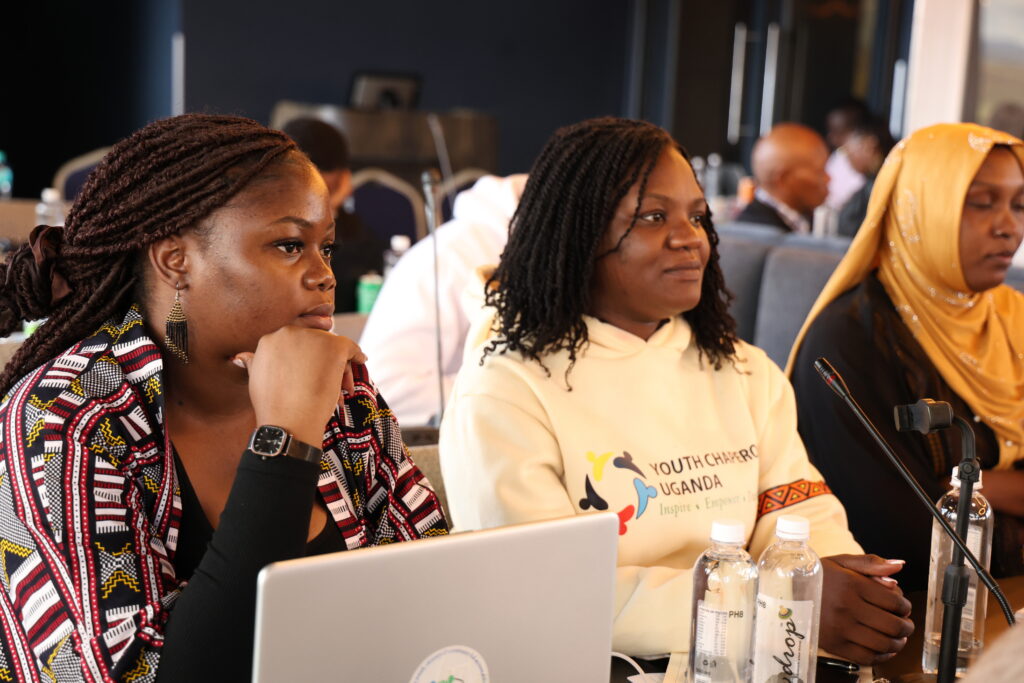
Kenya’s country review by the ACERWC
The ACERWC conducts their periodic country review of Kenya every three years. During Kenya’s most recent review, the Center advocated for greater clarity on adolescent access to reproductive healthcare. The Center highlighted the need for practical guidance for healthcare providers, and the removal of barriers to adolescent health services. In their concluding observations and recommendations, the ACERWC expressed concern over teenage pregnancy and adolescents’ difficulty accessing age-appropriate, confidential health information and services. Adolescents’ obstacles to accessing care included: stigma, bias, lack of privacy, distance, cost, uneven county-level implementation, and limited access to reliable information. The ACERWC recommended the Government of the Republic of Kenya enact the following:
- Strengthen age-appropriate, evidence-based and child-sensitive information on adolescent health, life skills and prevention of teenage pregnancy;
- Ensure that adolescents have access to confidential, non-discriminatory, youth-friendly and affordable reproductive health services;
- Train health workers, teachers, social workers and community actors to provide adolescent-friendly services in a manner that respects privacy, dignity and the best interests of the child; and
- Clarify the status of the Reproductive Health Care Bill, (which has remained pending since 2020) and strengthen the legal and policy framework for adolescent reproductive health. This includes standardizing administrative and clinical guidelines for public healthcare facilities, to ensure healthcare professionals can deliver safe, comprehensive and adolescent-friendly reproductive health services.
The ACERWC’s recommendations will now be used to hold the Kenyan government accountable and shape national policy.
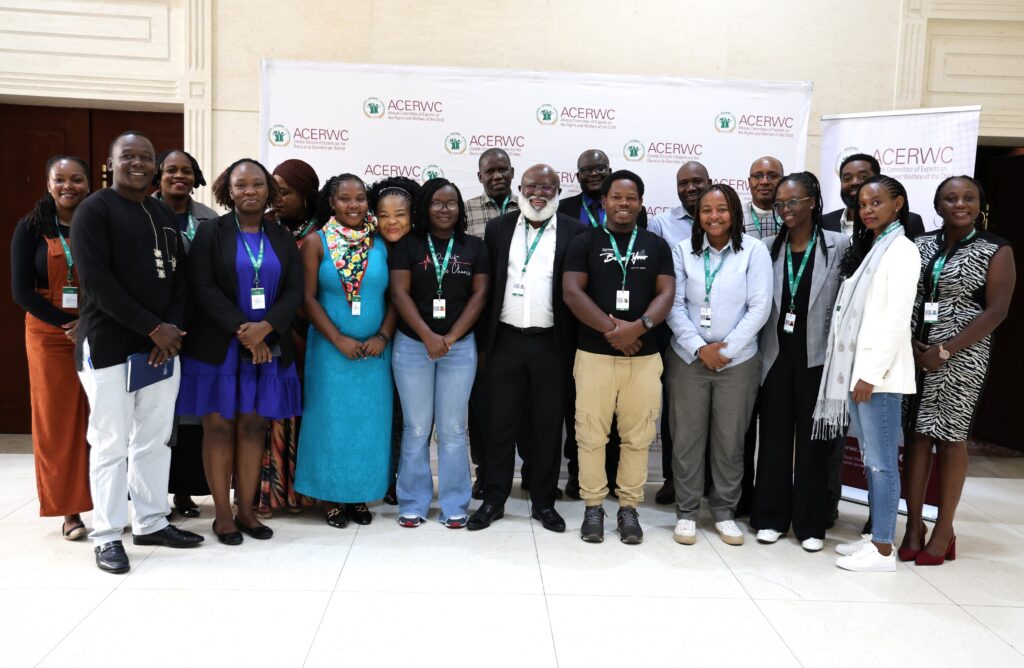
Affirming adolescents’ rights
The Center’s engagements during various sessions of the ACERWC reaffirmed that protecting adolescent rights is fundamental to Africa’s development. Through work alongside regional partners and the continent’s leading child rights bodies, the Center continues to advance legal and policy reforms for adolescents to access the information and healthcare they need to thrive.
About ACHPRChampioning Reproductive Rights at the African Commission on Human and Peoples’ Rights (ACHPR)
About the Commission
Across Africa, regional human rights bodies continue to shape the legal and policy standards influencing how governments protect—or fail to protect—reproductive rights. This remained true at the 87th Ordinary Session of the African Commission on Human and Peoples’ Rights (ACHPR) in Banjul, Gambia. The Center for Reproductive Rights joined commissioners, governments, national human rights institutions and civil society organizations to uplift sexual and reproductive health and rights (SRHR).
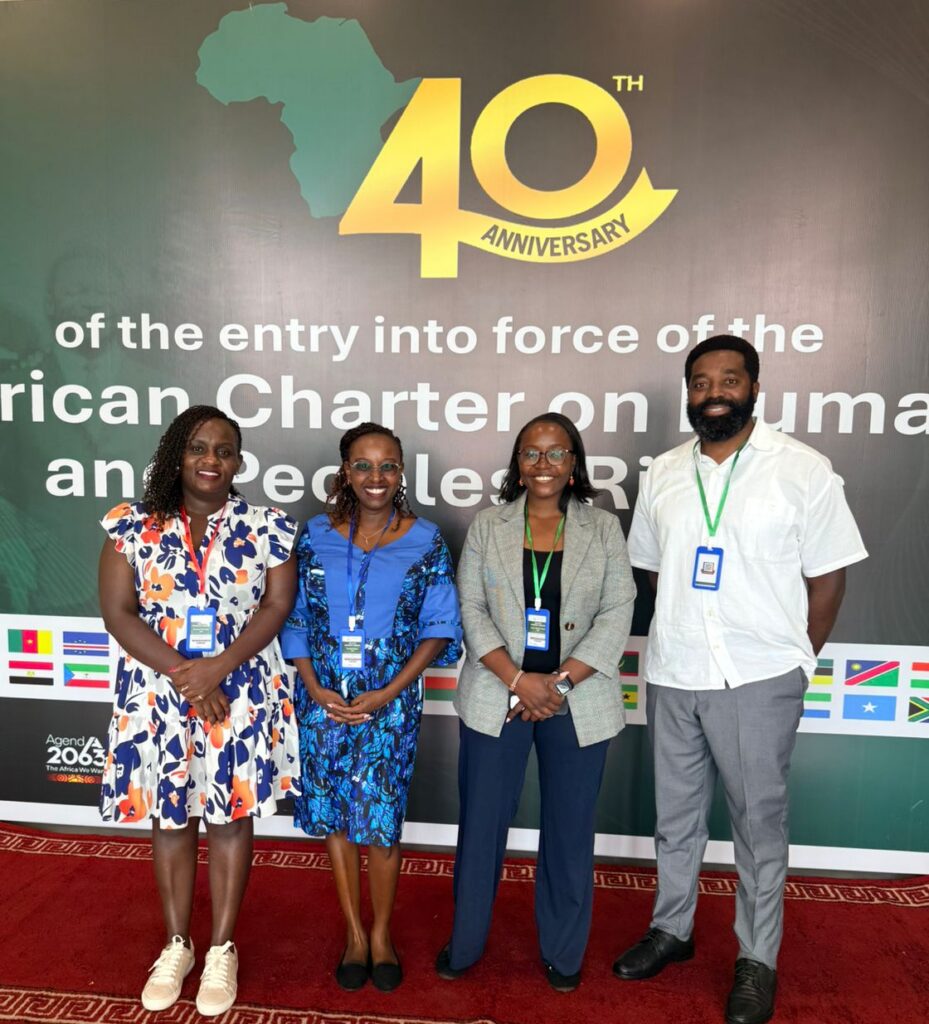
The Center’s ACHPR advocacy efforts
Through oral statements and interventions before the ACHPR, the Center called on States to accelerate the implementation of Article 14 of the Maputo Protocol. The Center also urged governments to remove restrictions on reproductive rights, strengthen access to safe abortion, and implement respectful maternal healthcare in Africa. Lastly, the Center emphasized human rights concerns, including: obstetric violence, the detention of women and newborns in health facilities because of unpaid medical bills, and the growing impact of misinformation spread by anti-rights actors to undermine access to reproductive healthcare across the continent.
Resolution 625Resolution 625 Addressing Obstetric Violence
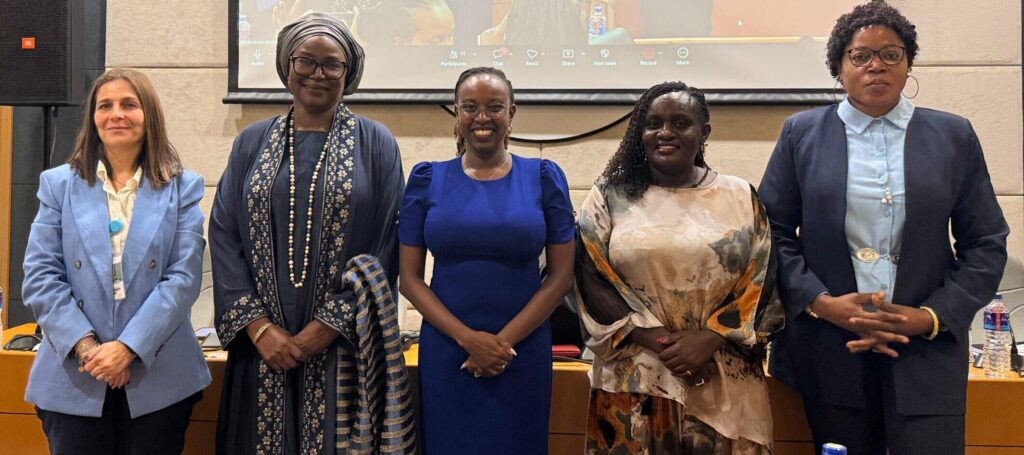
The Center attended an impactful side event on the implementation of ACHPR Resolution 625. Resolution 625 mandates the development of regional guidelines on eliminating obstetric violence and advancing respectful maternal healthcare. The event was co-convened with the Commission’s Special Rapporteur on the Rights of Women in Africa and the Working Group on Economic, Social and Cultural Rights. It brought together commissioners, legal practitioners, healthcare professionals and civil society representatives. The discussion specifically focused on challenging realities faced by women during pregnancy and childbirth, and the urgent need for stronger regional standards. These conversations generated practical recommendations for the ACHPR’s ongoing development of the guidelines and strengthened accountability for violations of maternal health rights across Africa.
Beyond ACHPR proceedings
Beyond the formal ACHPR proceedings, the Center worked alongside regional partners to continue advocacy for the Maputo Protocol, participate in strategy for advancing women’s rights, and engage commissioners through meetings to build support for regional advocacy priorities. These additional engagements reinforced the importance of sustained collaboration to ensure the ACHPR’s decisions translate into meaningful change. They also underscored a simple but powerful truth: legal standards alone are not enough. Protecting reproductive rights requires political commitment, effective implementation, and continued partnership between governments, regional institutions and civil society.
Through the Center’s various engagements at the 87th Session, it reinforced a steadfast commitment to ensuring African human rights mechanisms continue to drive progress towards reproductive healthcare with dignity, equality and respect.
Learn moreFuel the Fight for Reproductive Rights
Your donation allows us to defend reproductive rights, change policies, and amplify voices around the globe.